Alternatives to Autheo
Autheo is a Layer-0 operating system with an integrated Layer-1 blockchain that unifies identity, compute, storage, and AI for seamless Web2 and Web3.
Explore 9 alternatives to Autheo. Compare features, pricing, and find the best fit for your needs.

Bitcoin Loans Market
Compare every Bitcoin-backed loan provider side-by-side with live APR, LTV, and custody details to find your best deal instantly.

MadeOnSol
MadeOnSol is the all-in-one intelligence layer tracking 1,065+ Solana tools, KOL wallets, and deployer activity in real time.

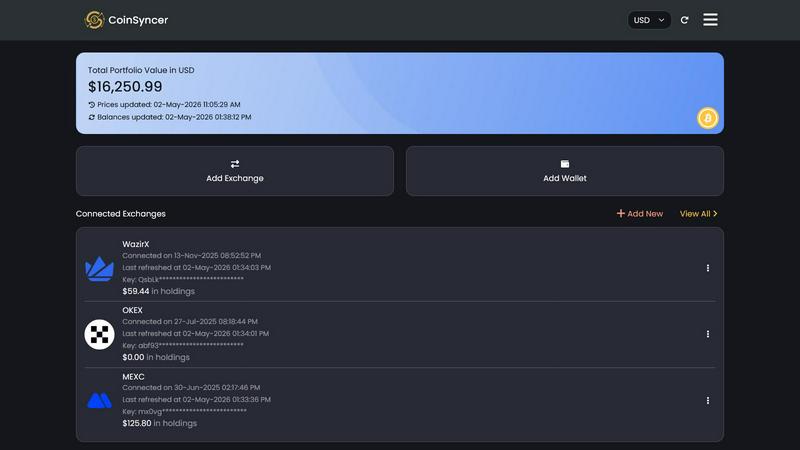
CoinSyncer
CoinSyncer simplifies crypto tracking by consolidating your assets from multiple exchanges and wallets into one intuitive dashboard.
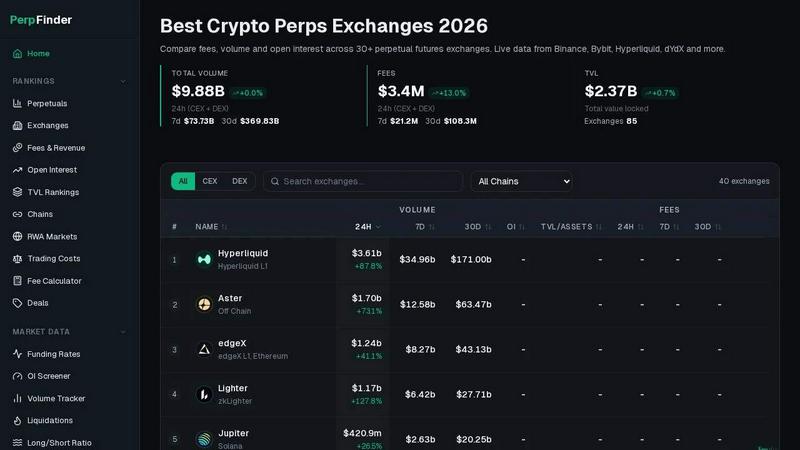
Perpfinder
Perpfinder delivers real-time perpetual futures data across 30+ exchanges so you can compare volume, fees, and open interest instantly.
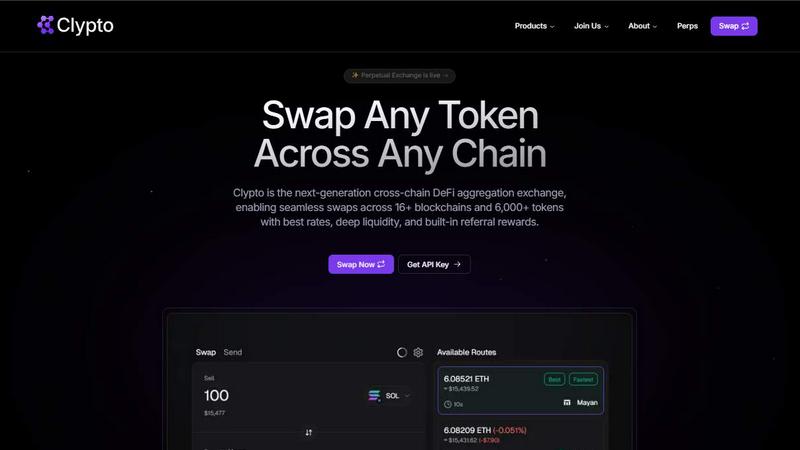
Clypto
Clypto is the next-generation cross-chain DeFi aggregator for swapping any token across 16+ blockchains with best rates.

Collab Chain
Collab Chain transforms official royalty statements into secure, verifiable proof of earnings and splits for creatives.
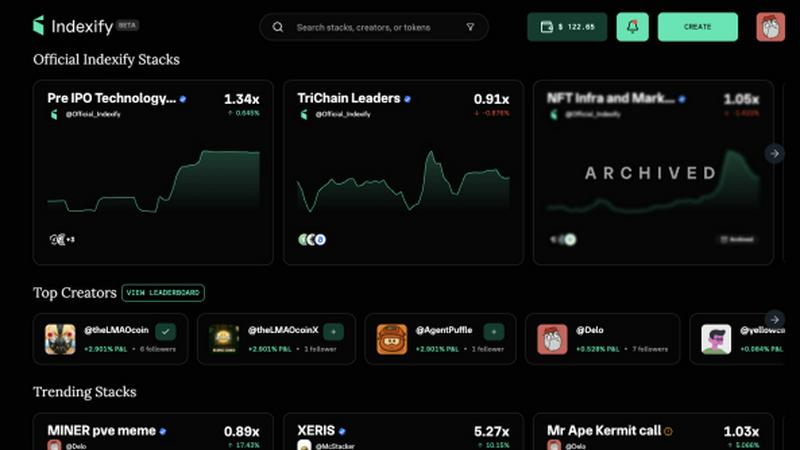
Indexify
Indexify empowers you to follow expert crypto strategies and manage your portfolio with curated, transparent Stacks.
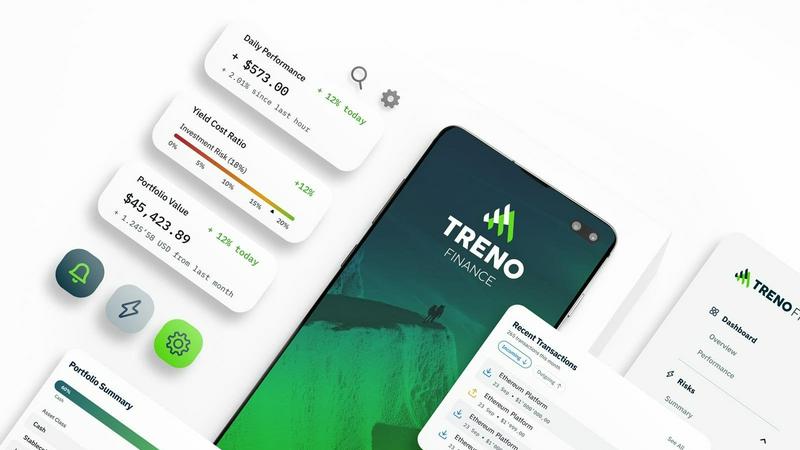
Treno.Finance
Treno.Finance transforms complex crypto data into clear insights, empowering investors to manage risks and make smarter.
About Autheo Alternatives
Autheo is making waves as a bold Layer-0 Operating System fused with a dedicated Layer-1 blockchain, designed to be a unified playground for the next generation of the web. It brings together identity, compute, storage, developer tooling, and AI into one interoperable environment, essentially acting as the living OS for decentralized applications. While this all-in-one approach sounds like a dream for builders, it might not fit every project’s specific launch timeline, budget constraints, or technical preferences, which is why many developers and founders start exploring the landscape for other options. When you start looking for an alternative, you’re likely searching for a platform that matches your specific stack requirements without paying for features you don’t need. Maybe you need a lighter-weight chain that prioritizes raw transaction speed, or perhaps you want a modular setup where you can swap out components like storage or identity providers. The key is to evaluate what matters most for your launch—whether that’s developer experience, ecosystem maturity, tokenomics flexibility, or the ability to integrate with existing Web2 infrastructure. Focus on finding a solution that offers the right balance of scalability, security, and community support to fuel your project’s takeoff.
FAQs about Autheo Alternatives
What is Autheo?
Autheo is a Layer-0 Operating System with an integrated Layer-1 blockchain that unifies identity, compute, storage, developer tooling, and AI capabilities in one interoperable environment. It is designed as the foundation for the connected, intelligent web, providing a collective and living OS for decentralized applications and services.
Who is Autheo for?
Autheo is built for developers, startups, and enterprises looking to build and deploy decentralized applications that require a unified stack for identity, compute, storage, and AI. It is ideal for teams that want to avoid the complexity of piecing together multiple protocols and prefer a single, interoperable environment to accelerate their development and launch cycles.
What are the main features of Autheo?
Autheo’s main features include a Layer-0 operating system that orchestrates a Layer-1 blockchain, unifying identity management, decentralized compute, distributed storage, comprehensive developer tooling, and integrated AI capabilities. This all-in-one architecture eliminates interoperability issues, allowing developers to build complex, intelligent applications that communicate seamlessly within the same environment.
Is Autheo secure?
Yes, Autheo is built with security as a foundational principle, leveraging its Layer-0 architecture to provide a robust and secure base for the integrated Layer-1 blockchain. By unifying identity and compute within a single, interoperable system, it reduces the attack surface common in fragmented multi-chain setups, while its consensus mechanisms and cryptographic safeguards ensure data integrity and transaction finality.