
Afterly Plan vs Skene

Afterly Plan
Navigate the complexities of loss with step-by-step guidance for after a death.
Last updated: February 27, 2026

Visual Comparison
Afterly Plan

Skene
Overview
About Afterly Plan
Afterly Plan is a compassionate and user-friendly platform designed to support families during one of life’s most challenging times: the loss of a loved one. It offers a guided, step-by-step approach to managing the overwhelming tasks that arise following a death. Afterly Plan breaks down the complex processes of probate, estate settlement, and executor duties into clear, actionable phases, providing essential checklists, timelines, and expert support for paperwork, accounts, notifications, and memorial planning. The platform is tailored for families who need clarity and structure when faced with grief, allowing them to focus on healing while Afterly Plan guides them through the necessary logistics. By simplifying these tasks, Afterly Plan empowers users to stay organized, track their progress, and effectively handle essential responsibilities, ensuring that they do not feel lost or alone during this difficult journey.
About Skene
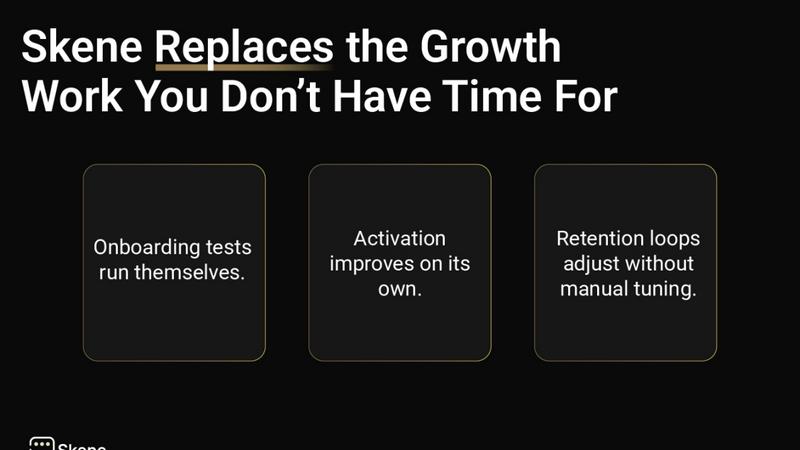
Skene is a fully automated PLG iteration engine that helps products grow without growth teams. Built for indie developers and early-stage startups, Skene handles continuous optimization of onboarding, activation, and retention — all based on understanding the customer code.
The platform observes user actions to detect friction and activation drop-off. It then automatically creates and tests improved versions of user flows, measures impact, and deploys the winning configuration. This means your onboarding improves itself, activation becomes smoother, and retention loops stay optimized over time.
Instead of dashboards full of knobs or weekly manual growth meetings, Skene offers a self-learning growth engine. Indie developers use it to offload growth work they don't have hours for. Startups use it as a “growth team in a box.” PLG companies use it to tighten activation and expand LTV without adding headcount.