
QuoteCraft AI vs Skene

QuoteCraft AI
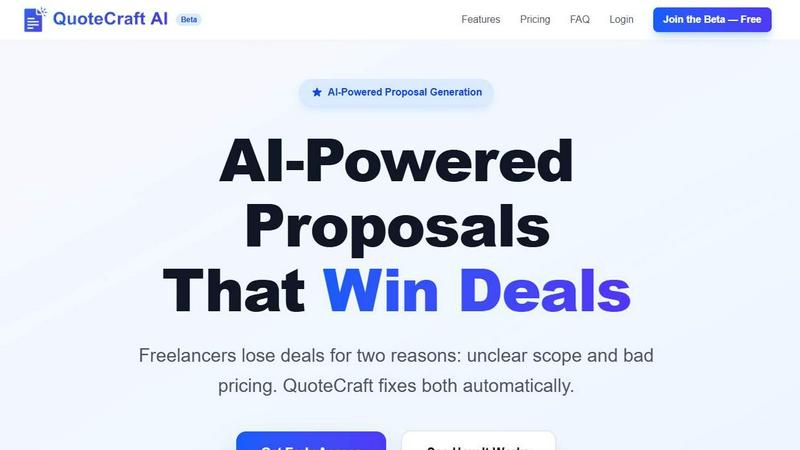
Effortlessly create winning proposals with AI that clarifies scope and pricing.
Last updated: February 27, 2026

Visual Comparison
QuoteCraft AI
Skene
Overview
About QuoteCraft AI
QuoteCraft AI is a revolutionary tool designed specifically for freelancers seeking to streamline their proposal creation process. Instead of spending countless hours drafting proposals that may never be accepted, QuoteCraft AI allows users to generate comprehensive, professional proposals in mere seconds. By simply describing their project or selecting from one of the seven expertly crafted starter templates, freelancers can receive a fully formed proposal complete with scope, pricing, line items, and timelines. The platform is tailored for a variety of industries, including web design, marketing agencies, creative studios, and consulting firms, ensuring its versatility and wide appeal. With features like voice-to-proposal functionality, interactive proposals that allow client customization, and a context engine that learns from past interactions, QuoteCraft AI not only simplifies the proposal process but also enhances the likelihood of winning deals. Best of all, freelancers can access these powerful tools for free during the beta phase, making it an exciting opportunity to elevate their business.
About Skene
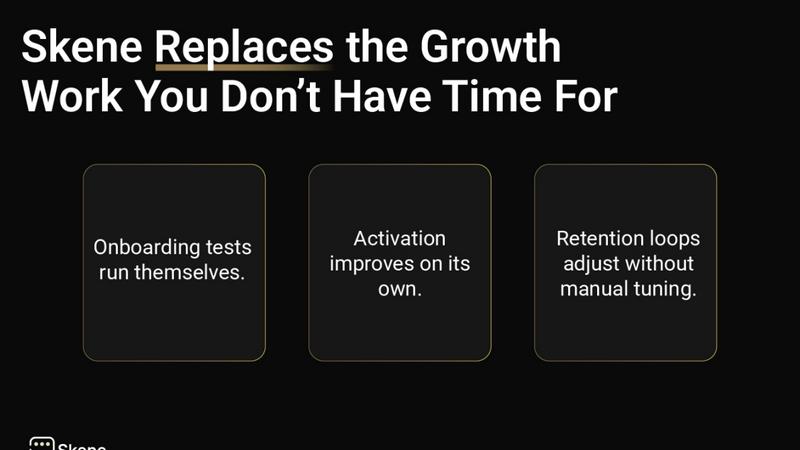
Skene is a fully automated PLG iteration engine that helps products grow without growth teams. Built for indie developers and early-stage startups, Skene handles continuous optimization of onboarding, activation, and retention — all based on understanding the customer code.
The platform observes user actions to detect friction and activation drop-off. It then automatically creates and tests improved versions of user flows, measures impact, and deploys the winning configuration. This means your onboarding improves itself, activation becomes smoother, and retention loops stay optimized over time.
Instead of dashboards full of knobs or weekly manual growth meetings, Skene offers a self-learning growth engine. Indie developers use it to offload growth work they don't have hours for. Startups use it as a “growth team in a box.” PLG companies use it to tighten activation and expand LTV without adding headcount.