EditPhoto AI vs Nano Banana 2

EditPhoto AI
Elevate your creativity with EditPhoto AI, the ultimate online photo editor powered by advanced AI tools and effects.
Last updated: February 28, 2026

Nano Banana 2
AI-powered image generation and editing platform
Last updated: February 28, 2026
Visual Comparison
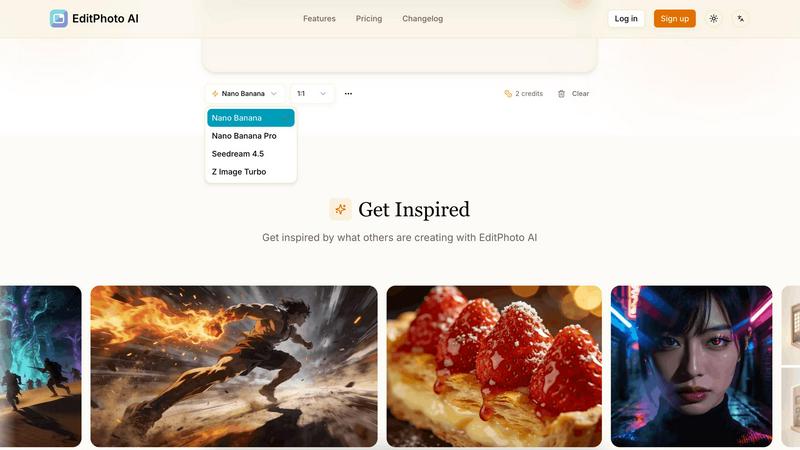
EditPhoto AI
Nano Banana 2
Overview
About EditPhoto AI
EditPhoto AI is an innovative, free, browser-based AI image editor that redefines the way users approach photo editing. By transforming traditional editing into a prompt-driven workflow, it empowers users to upload images in various formats such as JPG, PNG, and WebP. With the ability to describe desired edits in natural language, the platform efficiently applies high-quality model-based operations. Users can engage in complex tasks like background removal, object removal, portrait retouching, and upscaling images to 4K resolution. EditPhoto AI caters to a diverse audience including e-commerce professionals, photographers, and graphic designers, fundamentally enhancing productivity and creativity. Its emphasis on privacy-first processing ensures that user data remains secure while delivering high-quality results. The platform is ideal for anyone looking to streamline their photo editing experience without the need for complex software, making professional-grade edits accessible to all.
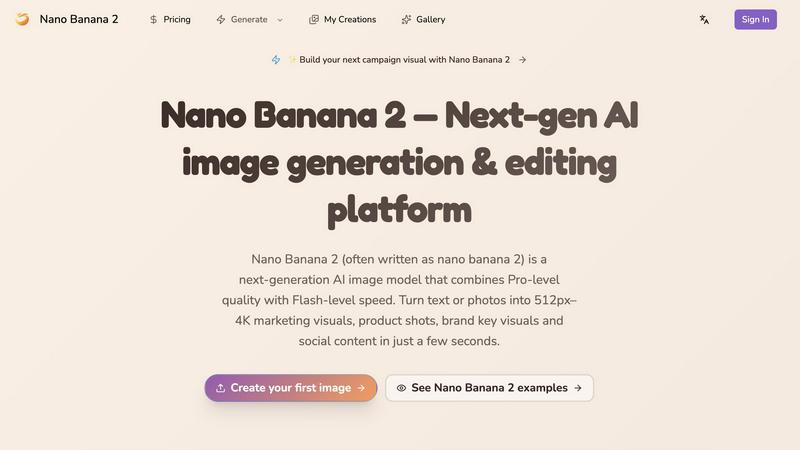
About Nano Banana 2
Nano Banana 2 is a next-generation AI image generation and editing platform built on Google's latest image generation model. It combines professional-level quality with lightning-fast processing speeds to transform text prompts or reference images into production-ready visuals.
Key Features
4K-Ready Image Quality: Generate images from 512px up to 4K resolution for ads, product pages, and app stores
Scene Understanding & Composition: Create complex scenes with plausible lighting, perspective, and layout using the model's world knowledge
Multilingual Text Rendering: Design visuals that mix English, Chinese, and other languages while maintaining readability
Local Editing & Re-rendering: Swap backgrounds, tweak lighting, or add/remove objects without breaking overall composition
Fast Generation & Batch Exploration: Explore multiple creative directions quickly for A/B testing and reviews
Built-in Creative Workflows: Work with galleries, projects, and exports instead of raw API calls
Prompting Tuned for Nano Banana 2: Use opinionated templates and settings optimized for the model to get strong results with fewer iterations
Alternatives
EditPhoto AI Alternatives
EditPhoto AI is a groundbreaking, browser-based AI photo editor designed to simplify the photo editing process through an intuitive prompt-driven workflow. Users can effortlessly upload images in various formats and describe their desired edits using natural language, making it accessible for anyone from casual users to professional photographers. As a powerful tool in the image and photo category, it offers features like background removal, portrait retouching, and style transfers, all enhanced by cutting-edge AI models. However, users often seek alternatives to EditPhoto AI for various reasons, such as pricing structures, specific feature sets, or compatibility with their existing workflows. When exploring alternatives, it’s essential to consider factors like ease of use, range of editing capabilities, output quality, and the level of customer support provided. These considerations will help users find a solution that best fits their unique needs and preferences.
Nano Banana 2 Alternatives
Nano Banana 2 is an AI-powered image generation and editing platform that leverages Google’s cutting-edge image generation model. It stands out in the Image & Photo category, providing users with the ability to create stunning visuals from text prompts or reference images. However, users often seek alternatives due to factors such as pricing, specific feature sets, or the need for compatibility with different platforms or projects. When choosing an alternative to Nano Banana 2, it's essential to consider aspects like image quality, processing speed, collaboration features, and the flexibility of workflows. A good alternative should not only meet your creative needs but also seamlessly integrate into your existing processes, ensuring a smooth transition and continued productivity.