
finban vs MoneyPatrol

finban
Finban is your agile CFO, empowering smart liquidity planning and decision-making without the Excel chaos.
Last updated: February 28, 2026

Visual Comparison
finban

MoneyPatrol
Overview
About finban
finban is an innovative liquidity planning software designed to empower businesses with the financial insights they need to make informed decisions. Aimed at CFOs, financial managers, and entrepreneurs, finban acts as a reliable financial assistant, helping users to manage and forecast their cash flow without the chaos of Excel spreadsheets. By providing a clear and concise overview of liquid assets, expected revenues, and expenditures, finban ensures that users can confidently navigate hiring, taxes, projects, and investments. Its intuitive interface allows for quick setup and real-time updates, making it a go-to tool for businesses looking to optimize their financial strategies. With finban, you can say goodbye to financial confusion and hello to clarity and control over your finances.
About MoneyPatrol
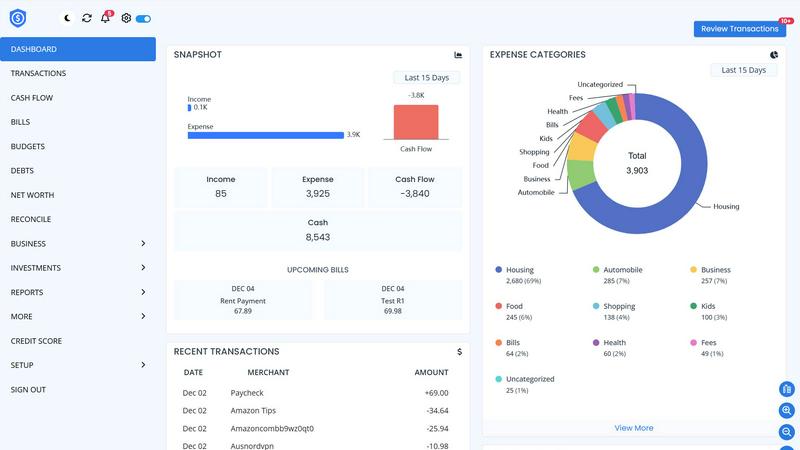
MoneyPatrol is an all-in-one free personal finance tool that elevates beyond simple budgeting apps by offering deeper insight, better connectivity, and full personal accounting capabilities. It is designed to help users track, monitor, and manage all their finances in one place. It brings together expense tracking, budgeting, bill reminders, investment & net-worth tracking, alerts and more.
Some of the major capabilities of MoneyPatrol are:
-
Account aggregation: You can link bank accounts, credit cards, loans, investments, etc., all into one dashboard.
-
Income & Expense tracking: It shows money flowing in and out, categorizes transactions (by merchant/category), shows trends over time (day, week, month, quarter).
-
Budgets: Create budgets for different spending categories, monitor how you’re doing, create monthly and annual budgets for categories and subcategories.
-
Bill tracking & alerts: Get reminders about recurring bills, due dates, and warnings about overdraft, duplicate or fraudulent transactions.
-
Net worth & debt tracking: View your overall financial position: what you own vs. what you owe, track debt pay-down, investment growth.
-
Credit Score tracking: Track your weekly and monthly Credit Score. See your outstanding debts and credit card usage and work on improving your credit score.