
Startup Science vs Threat Modeling

Startup Science
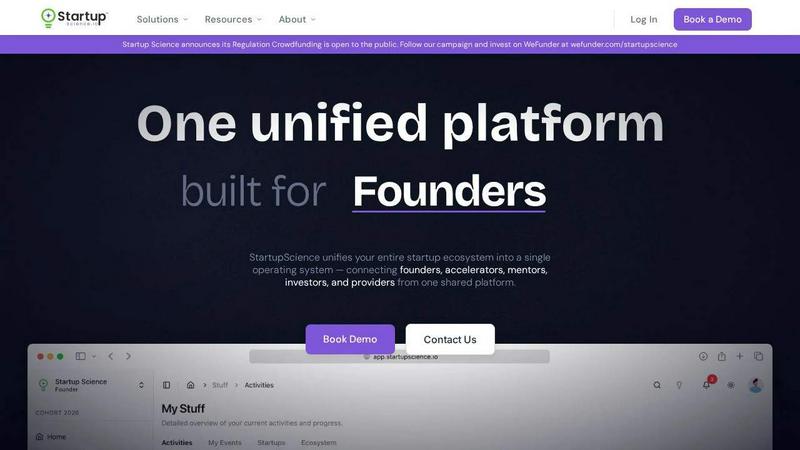
Startup Science is the unified operating system that connects your entire startup ecosystem into one powerful platform.
Last updated: April 13, 2026

Last updated: February 28, 2026
Visual Comparison
Startup Science
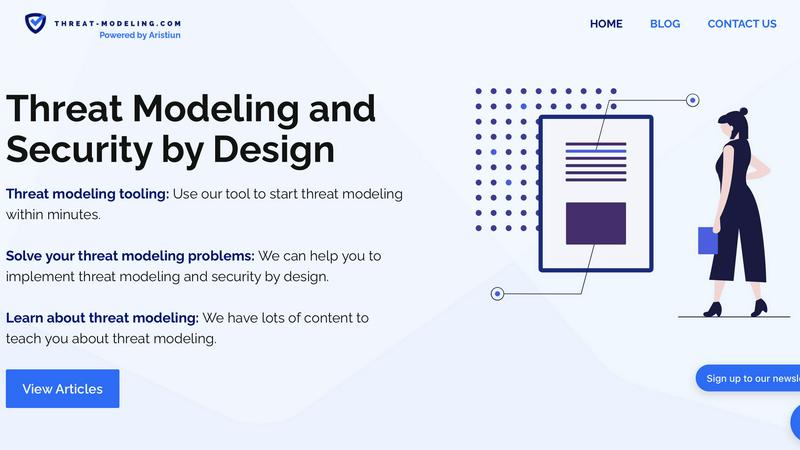
Threat Modeling
Feature Comparison
Startup Science
The Unified Startup Profile
At the core of Startup Science is the Unified Startup Profile, a single, dynamic record that tracks a founder's journey across all seven lifecycle phases. This profile replaces dozens of disconnected spreadsheets and tool-specific logins, providing a consistent view of progress, milestones, and needs for the founder, their mentors, program managers, and potential investors. All ecosystem activity and support are centered around this living document, ensuring everyone has shared context and can contribute effectively.
Program Management OS
This feature provides Entrepreneurial Support Organizations (ESOs) with a complete, branded workspace to run their programs. It includes tools for creating application pages, managing applicant pipelines, building cohort timelines, automating graduation workflows, and engaging alumni—all within one intuitive interface. It consolidates the functions of a CRM, LMS, and project management tool, enabling programs to scale without linearly increasing their administrative overhead.
Integrated Mentorship Engine
Startup Science structures and scales mentorship by connecting advisors with prepared founders at the right moment. Mentors get a dedicated dashboard to see a founder's complete profile, current lifecycle phase, and specific challenges before meetings. This shared context ensures advice is relevant and impactful. The system also helps track mentorship engagements and measure outcomes, transforming ad-hoc guidance into a strategic, measurable resource.
Capital Access & Investor Hub
This feature opens higher-signal deal flow for investors and demystifies funding for founders. Investors gain access to a pipeline of companies that are better prepared and presented with structured, comparable data via their Unified Profiles. Founders can navigate curated capital opportunities aligned with their lifecycle stage. It creates a more efficient marketplace, connecting ready capital with investment-ready startups.
Threat Modeling
Powerful Assessment Engine
Our powerful assessment engine allows users to understand potential threats and security weaknesses effectively. It evaluates the system architecture, identifies vulnerabilities, and helps prioritize risks based on their impact and likelihood, ensuring that organizations can focus on what matters most.
Flexible Diagram Engine
The flexible diagram engine enables users to visualize components and communication flows seamlessly. This feature aids in representing complex systems intuitively, allowing teams to collaborate and communicate effectively about security concerns and design choices.
Clear Reporting and Metrics
Our tool provides clear reporting and metrics that are essential for compliance demonstration. Users can generate detailed reports that outline identified threats, mitigations, and risk assessments, helping organizations maintain transparency and accountability in their security practices.
Extensive Resource Library
We offer a comprehensive resource library filled with articles, templates, and real-world examples to support users in their threat modeling journey. This library is designed to educate teams on various threat modeling methods, ensuring that they are well-equipped to tackle security challenges efficiently.
Use Cases
Startup Science
Scaling an Accelerator Program
An accelerator struggling with 12+ disconnected tools (CRM, LMS, spreadsheets) can consolidate its entire operation onto Startup Science. They can manage applications, deliver their curriculum, match mentors, track cohort progress, and report to funders—all from one platform. This reduces administrative workload by up to 50%, allowing them to run more cohorts and support more founders without proportionally increasing staff.
A Founder Navigating the Journey
A first-time founder overwhelmed by conflicting advice and unclear next steps uses Startup Science as their cockpit. The platform provides a structured, research-backed roadmap from idea to exit. They can access phase-specific learning, track their milestones, get matched with relevant mentors, and prepare for investor conversations—all while building a compelling, data-rich Unified Profile that showcases their progress to the ecosystem.
A Mentor Maximizing Impact
An experienced advisor tired of unprepared founder meetings uses the Mentor Dashboard. Before a session, they review the founder's Unified Profile to understand their exact lifecycle stage, completed milestones, and current blockers. This allows them to provide precise, actionable advice quickly. They can also track their engagements across multiple founders and programs, quantifying their contribution to the ecosystem.
A University Running Entrepreneurship Courses
A university's entrepreneurship center uses Startup Science to provide students with a real-world startup operating system. Students build their ventures using the same lifecycle framework and tools as professional founders. Instructors can manage teams, deliver curriculum, and facilitate mentor connections within the platform, giving students a seamless, practical experience that bridges academic theory and real ecosystem engagement.
Threat Modeling
Early Detection of Vulnerabilities
By employing threat modeling during the design phase, teams can identify and address vulnerabilities before they escalate into costly security incidents. This proactive approach minimizes risk and reinforces security from the outset.
Streamlining Compliance Efforts
Organizations can use Threat Modeling to demonstrate compliance with industry standards and regulations more effectively. The tool's reporting features provide the documentation needed to showcase security efforts to stakeholders and regulatory bodies.
Enhancing Collaboration Among Teams
Threat Modeling fosters collaboration between development and security teams by providing a common framework for discussing threats and mitigation strategies. This shared understanding enhances communication and aligns security objectives with business goals.
Integrating Security into DevOps Processes
With the rise of DevOps practices, integrating threat modeling into the continuous integration and continuous deployment (CI/CD) pipeline ensures that security remains a priority throughout the software development lifecycle, rather than an afterthought.
Overview
About Startup Science
Startup Science is the world's first unified operating system for the entire startup ecosystem. Built on a research-backed, seven-phase Startup Lifecycle developed over 35 years and validated by 12 successful exits, it replaces the chaotic patchwork of disconnected tools that founders and support organizations currently struggle with. The platform connects every key stakeholder—founders, accelerators, universities, mentors, investors, and service providers—onto a single, cohesive platform where everyone works from the same playbook. For founders, it provides a clear, step-by-step cockpit to navigate from idea to exit. For Entrepreneurial Support Organizations (ESOs), it consolidates program management, curriculum, mentorship, and reporting into one scalable system, slashing admin burden. By creating a Unified Startup Profile, Startup Science makes progress visible, data actionable, and collaboration seamless, turning fragmented advice and siloed efforts into a powerful, synchronized network for building successful companies. Already trusted by over 89,000 founders, it's not just another tool; it's the foundational layer for a smarter, more connected startup world.
About Threat Modeling
Threat Modeling is a proactive approach in cybersecurity that focuses on identifying, understanding, and mitigating potential threats during the design phase of software development. By integrating security into the development lifecycle, organizations can prevent vulnerabilities from being introduced, thereby adopting a "security by design" philosophy. This tool is designed for developers, security teams, and organizations aiming to enhance their security posture without compromising agility. The main value proposition of Threat Modeling lies in its ability to streamline the identification of threats, assess risks, and implement effective security measures early on, ultimately reducing costs and reinforcing compliance. With our intuitive threat modeling tool, users can quickly visualize components and communication flows, evaluate potential threats, and generate reports that demonstrate compliance, making security an integral part of their development process.
Frequently Asked Questions
Startup Science FAQ
What is the Startup Lifecycle framework?
The Startup Lifecycle is a research-backed, seven-phase framework developed over 35 years of entrepreneurial experience and 12 successful exits. It provides a proven, sequential roadmap that guides founders from the initial idea stage all the way through to a successful exit. This framework forms the foundational logic of the entire Startup Science platform, ensuring all tools, curriculum, and support are aligned to what a venture genuinely needs at each specific phase of growth.
How does Startup Science differ from using separate tools like a CRM and an LMS?
While separate tools manage isolated functions (e.g., a CRM for contacts, an LMS for courses), they create data silos and immense administrative overhead. Startup Science is a purpose-built operating system that natively integrates program management, learning, mentorship, and analytics around the Unified Startup Profile. This means data flows seamlessly, progress is visible to all permitted stakeholders, and the entire ecosystem operates from a single source of truth, eliminating the need to patch together and manually sync dozens of disconnected platforms.
Is Startup Science only for accelerators and incubators?
No, Startup Science is designed for every stakeholder in the startup ecosystem. While it is a powerful platform for Entrepreneurial Support Organizations (ESOs) like accelerators, incubators, and universities, it also provides dedicated experiences for founders (their cockpit), mentors (a dashboard for prepared advising), investors (for deal flow), and service providers (a marketplace to reach founders). The platform's value increases as more parts of an ecosystem connect on it.
Can we customize the platform for our specific program?
Yes. Startup Science allows for significant customization to fit your brand and program structure. You can create branded application portals, tailor cohort timelines and workflows, and customize certain elements of the learning curriculum. The platform is designed to provide a robust, standardized framework (the Lifecycle) while offering the flexibility needed for different organizations to run their unique programs effectively at scale.
Threat Modeling FAQ
What is Threat Modeling?
Threat Modeling is a structured approach to identifying and addressing potential security threats in software design. It involves analyzing system architecture and workflows to proactively mitigate risks.
Who can benefit from using Threat Modeling?
Developers, security teams, and project managers can all benefit from Threat Modeling. It equips them with the tools and methodologies necessary to integrate security effectively into their development processes.
How does Threat Modeling improve security?
By identifying threats early in the design phase, Threat Modeling allows teams to implement security measures before vulnerabilities can be exploited. This proactive approach reduces the likelihood of costly breaches.
Is your threat modeling tool easy to use?
Yes! Our threat modeling tool is designed for ease of use, allowing teams to get started quickly. With intuitive interfaces and helpful resources, users can begin threat modeling within minutes, regardless of their experience level.
Alternatives
Startup Science Alternatives
Startup Science is a comprehensive software platform designed to unify the fragmented startup ecosystem. It provides a data-driven, research-backed framework that guides founders from idea to exit while connecting accelerators, mentors, and investors on a single system. This category focuses on structured startup development and ecosystem management, moving beyond basic task tools or generic advice. Founders and organizations often explore alternatives for various reasons. Some need a solution tailored to a very specific niche or stage, while others may prioritize budget-friendly options or require deep integration with an existing software stack. The search usually stems from a need for different features, pricing models, or a simpler scope that matches immediate operational needs. When evaluating other options, consider what truly drives your search. Look for a platform that clearly aligns with your primary goal, whether it's pure founder education, investor relationship management, or internal program operations. The right choice should demonstrably solve your biggest point of friction—be it cost, complexity, or a lack of cohesive strategy—without creating new gaps in your workflow.
Threat Modeling Alternatives
Threat Modeling is an essential practice in the realm of software development, focusing on identifying potential threats during the design phase. By integrating security from the outset, it allows teams to build robust defenses rather than adding security as an afterthought. As organizations strive for greater efficiency and protection, users often seek alternatives to traditional threat modeling due to factors such as pricing, feature sets, and specific platform compatibility. The quest for a suitable alternative may hinge on ease of use, integration capabilities, and the ability to adapt to a team's unique workflow. When searching for an alternative to Threat Modeling, it's crucial to consider not only the pricing structures but also the range of features offered. Look for solutions that prioritize proactive security measures and provide seamless integration into existing processes. Additionally, evaluate user feedback and support options to ensure you choose a solution that aligns with your team’s needs and enhances overall security without compromising productivity.