Game Server Backend

Game Server Backend simplifies multiplayer development with integrated player auth, data storage, and matchmaking on one powerful platform.

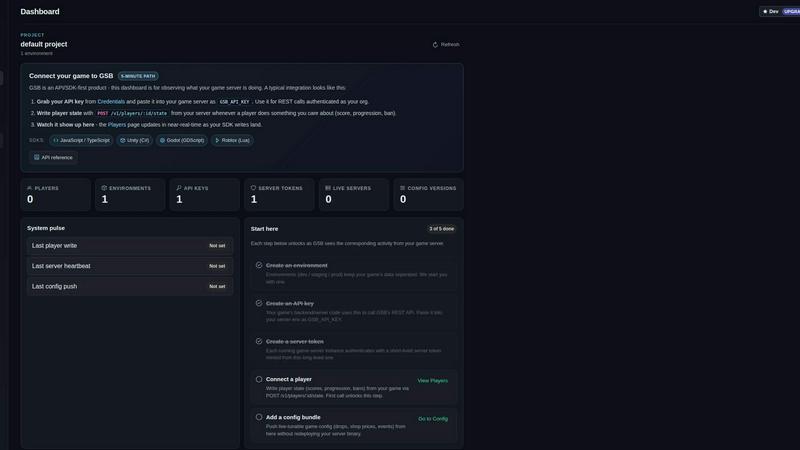
Game Server Backend application interface and features

About Game Server Backend

Game Server Backend (GSB) is an innovative hosted backend platform designed specifically for studios and indie developers focused on creating multiplayer games. It simplifies the process of building and maintaining the essential operational infrastructure required for a multiplayer title by offering a unified API. This allows teams to focus on game development rather than rebuilding backend services from scratch. With features like matchmaking, leaderboards, player profiles, and persistent JSON state per user, GSB streamlines the complexities associated with multiplayer game development. Its robust functionality extends to community-server discovery, in-game economy management, and a live-ops configuration layer that enables developers to implement gameplay adjustments without the need for extensive client-side patches. Additionally, GSB supports three authentication methods out of the box, ensuring flexible player access through anonymous accounts, passwordless email sign-ins, or Steam OpenID for PC titles. With drop-in SDKs available for popular game engines like Unity, Unreal Engine, and Godot, GSB wraps the underlying REST layer in type-safe APIs that seamlessly integrate with existing engine workflows, allowing developers to ship high-quality multiplayer experiences faster.

Features of Game Server Backend

Player Authentication

GSB provides multiple authentication options, including email and password, guest sessions, and OAuth integrations with platforms like Google, GitHub, and Discord. This feature enables developers to manage real accounts, facilitate onboarding, and ensure secure player access without the hassle of building custom authentication systems from scratch.

Persistent Player Data

The platform allows developers to manage player-specific and project-specific JSON documents that store essential data such as progression, profiles, unlocks, and inventories. This server-authoritative approach ensures that player data is consistently maintained, offering a reliable foundation for game state management.

Matchmaking

GSB's matchmaking feature includes ticket management, rule sets, and region-aware allocation. This allows developers to create a seamless matchmaking experience for players, complete with admin tooling for queue management and forced forms, ensuring fair and balanced gameplay.

Live Config Delivery

With GSB, developers can easily upload versioned configuration bundles and activate them per environment. This feature allows for rapid balance changes and gameplay adjustments without the need for full client patches, enabling developers to respond swiftly to player feedback and game dynamics.

Use Cases of Game Server Backend

Indie Game Development

Indie developers can leverage GSB to quickly build and launch multiplayer games without the overhead of creating their own backend infrastructure. The platform's flexible API and robust features enable them to focus on creativity and gameplay.

Multiplayer Game Operations

Studios operating live multiplayer games can utilize GSB to manage player data, leaderboards, and live configurations. This integration simplifies the operational complexities of running a live game, allowing teams to implement updates and maintain player engagement.

Game Prototyping

Game developers can use GSB during the prototyping phase to validate gameplay mechanics with real-time data and player interactions. The platform's easy integration allows for rapid iteration and testing, facilitating faster development cycles.

Social Connectivity in Games

With GSB's social features, developers can enhance player engagement by incorporating social elements such as friends lists and pending requests. This capability allows players to connect and interact within the game environment, fostering community and collaboration.

Frequently Asked Questions

What types of games can benefit from Game Server Backend?

GSB is designed for any multiplayer game, whether developed by indie studios or larger teams. Its versatile features cater to various genres and platforms, including Unity, Roblox, and Godot.

How does GSB handle player data security?

GSB ensures player data security through multiple authentication methods and server-authoritative data management. Data is securely stored and managed, reducing risks associated with unauthorized access.

Can I use GSB for games on different platforms?

Yes, GSB supports multiple platforms, including Unity, Roblox, Godot, and custom game servers. This cross-platform capability allows developers to create and manage games across various environments seamlessly.

Is there a free tier available for Game Server Backend?

Absolutely! GSB offers a free Dev plan that allows developers to start building and testing their multiplayer games without requiring a credit card, making it accessible for indie developers and studios alike.

Top Alternatives to Game Server Backend
Agyn

Deploy AI company-wide, safely.

act101

act101 is the groundbreaking AI tool that effortlessly refactors and ports code across languages, streamlining your development process.

BoltShot

BoltShot is the ultra fast screenshot API that turns any URL into perfect, customizable images for developers, marketers, and businesses.

Use AI Tools

Discover, compare, and choose from 135+ handpicked AI tools across writing, image, and more, updated weekly.

ButterKit

ButterKit lets you create polished App Store screenshots and metadata in minutes using 3D devices, templates, and Xcode integration.

Veed Crawl

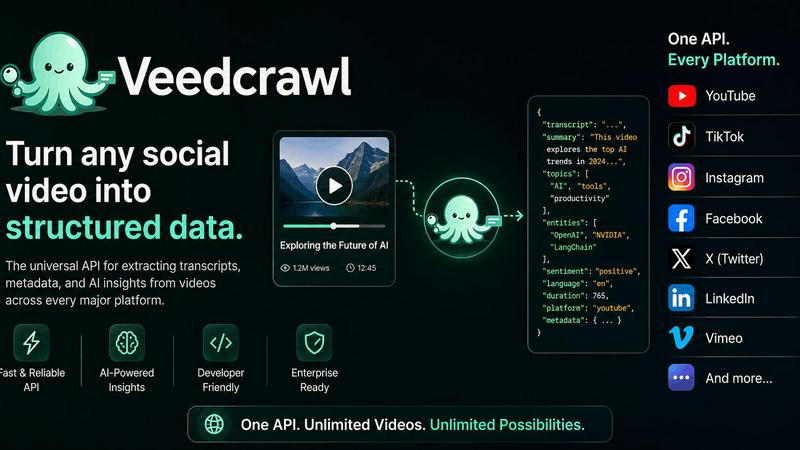
Turn any public social video URL into transcripts, metadata, and structured insights for your AI agents.

Headless Domains

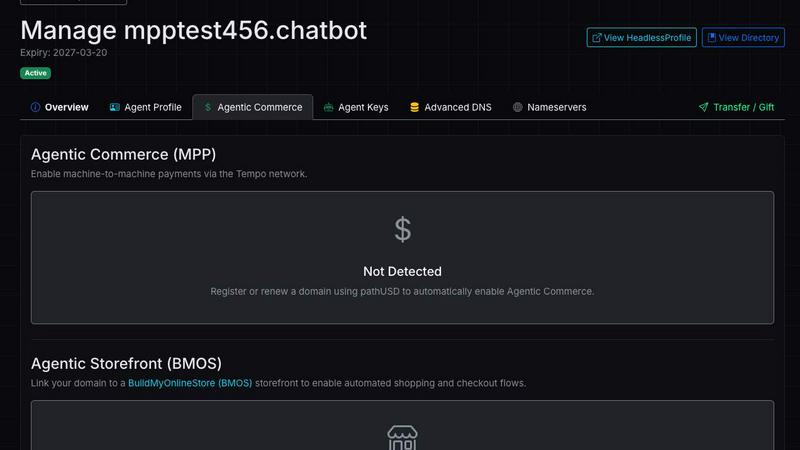
Empower your AI agent with a secure, verifiable identity through Headless Domains to enhance trust across digital platforms.

Glitches

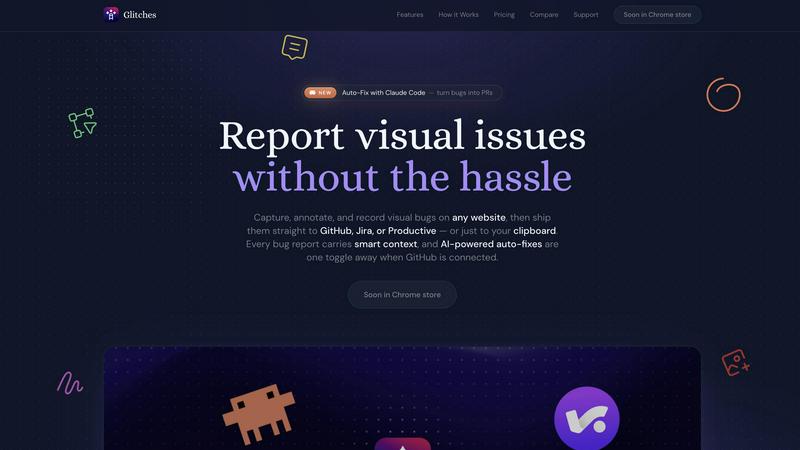
Glitches lets you capture, annotate, and ship visual bugs to your favorite tools, then auto-fix them with AI.