

Alternatives to qtrl.ai
qtrl scales your QA from test management to autonomous AI agents without losing control.
Explore 20 alternatives to qtrl.ai. Compare features, pricing, and find the best fit for your needs.
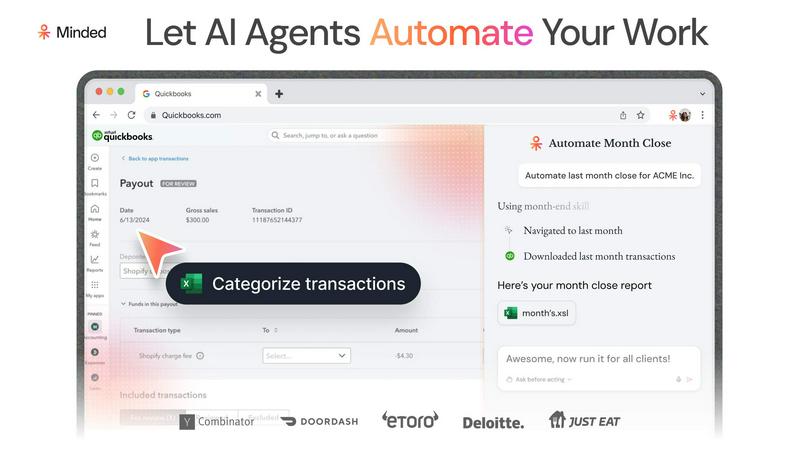
Minded
Minded lets you effortlessly build AI agents that handle tasks efficiently, transforming your workflow and delighting customers from day one.
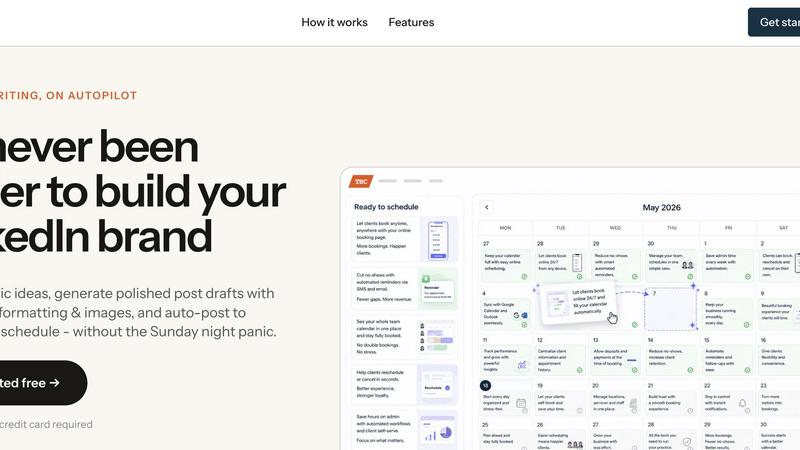
TBC
TBC automates your LinkedIn posting with AI drafts, rich formatting, and scheduled publishing so you build your brand effortlessly.
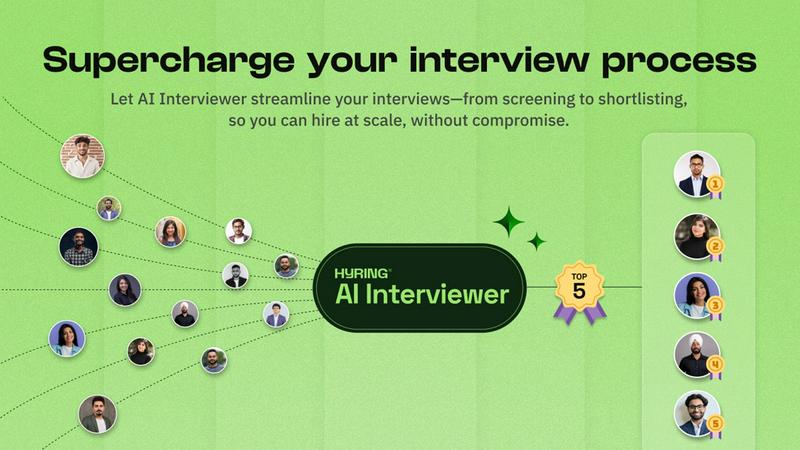
Hyring
Hyring's AI recruiting platform helps you hire more humans by automating screenings, interviews, and candidate ranking.
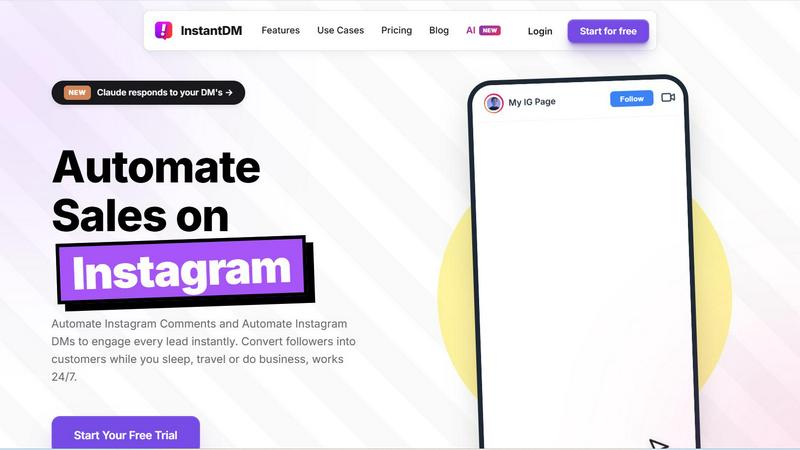
InstantDM
InstantDM automates your Instagram DMs and comments, turning followers into customers effortlessly for just $9.99 a month.

YCaaS
YCaaS delivers recursive AI execution on demand, letting you iterate and scale complex workflows instantly without infrastructure limits.

AgentZee
AgentZee empowers businesses to effortlessly create AI agents for sales, support, and marketing automation that work seamlessly together.
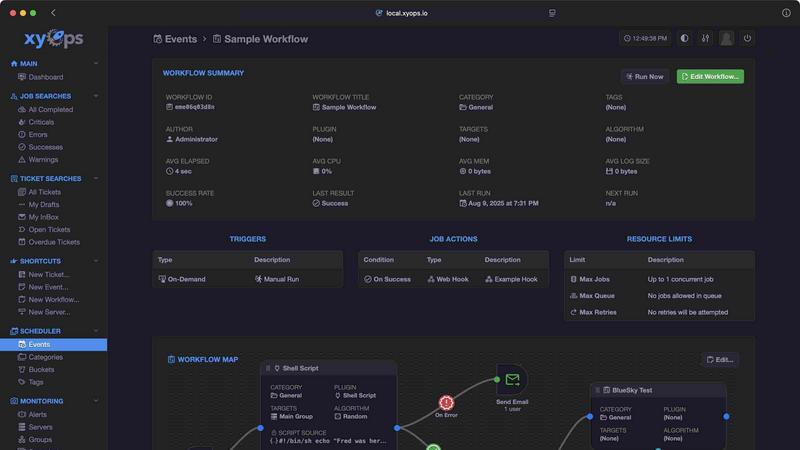
xyOps
xyOps is the all-in-one workflow automation platform that orchestrates your entire infrastructure with scheduling, monitoring, and alerting built in.
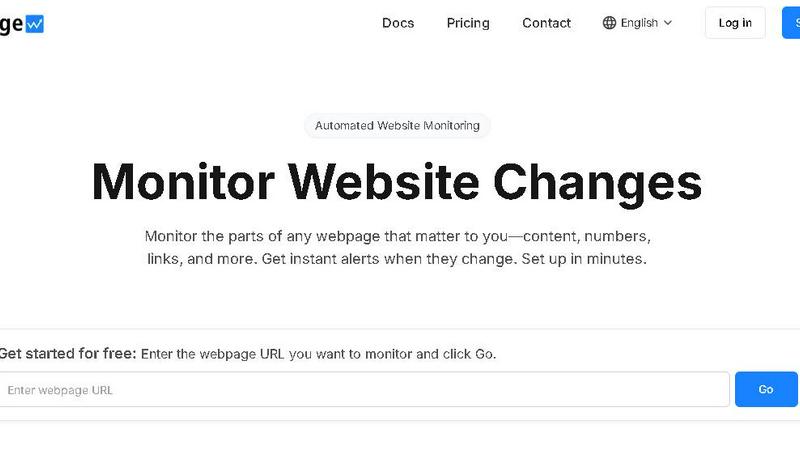
Changew
Effortlessly monitor any webpage for changes and receive instant alerts to stay updated on what matters most to you.
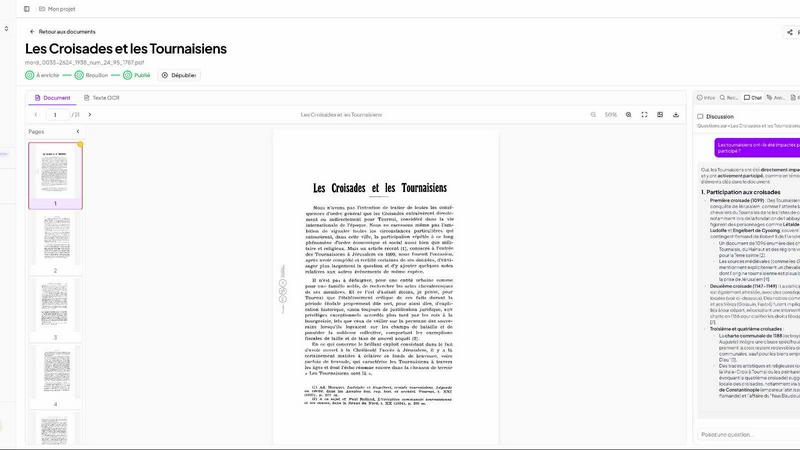
Patrivox
Transform your archives into searchable treasures with Patrivox, where AI reads and indexes your documents in minutes.
Stable Commerce
Launch a fully autonomous online store in minutes with just one simple prompt.
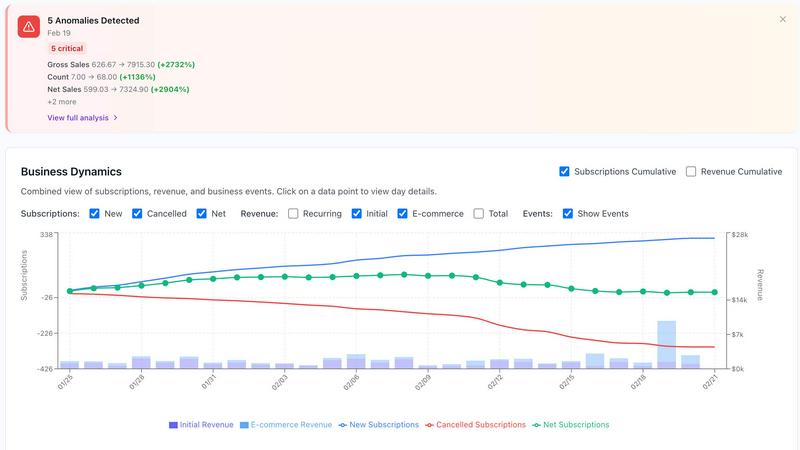

Brand2Social
Transform your social media strategy with AI-driven management and automation tools.
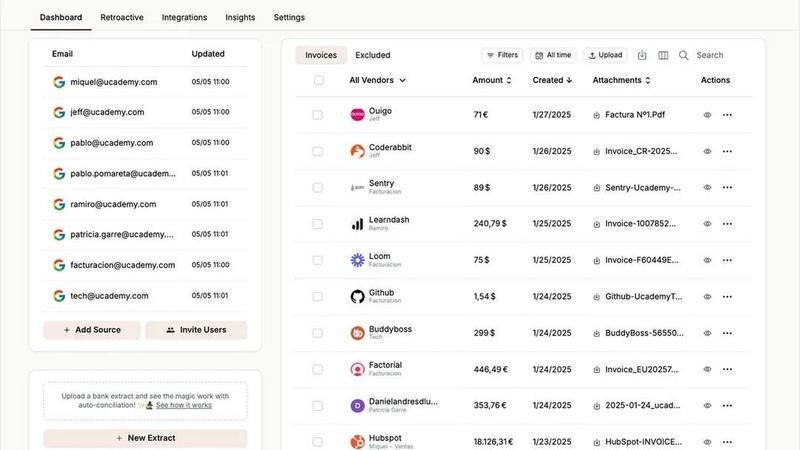
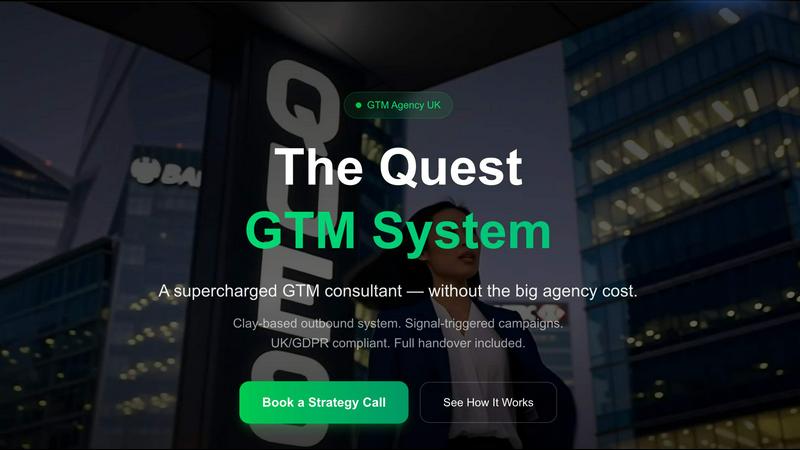
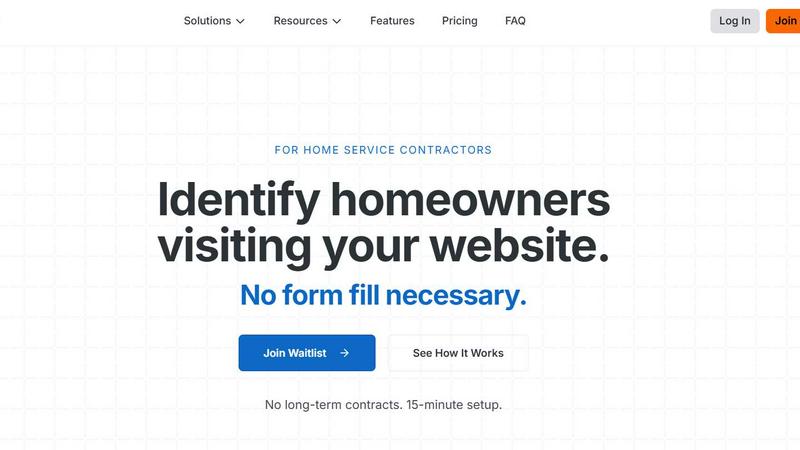
Pipeline
Unlock hidden homeowner leads visiting your website without forms and boost your conversions instantly with Pipeline.
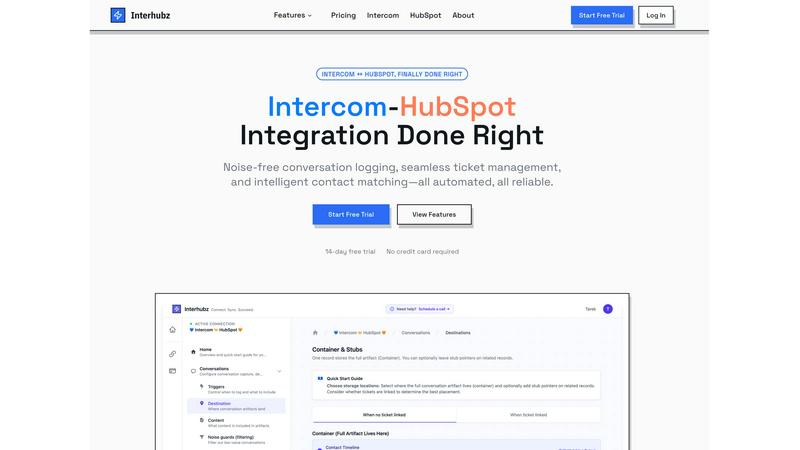
Interhubz
Interhubz simplifies Intercom and HubSpot integration with seamless syncing and organized conversation logging.
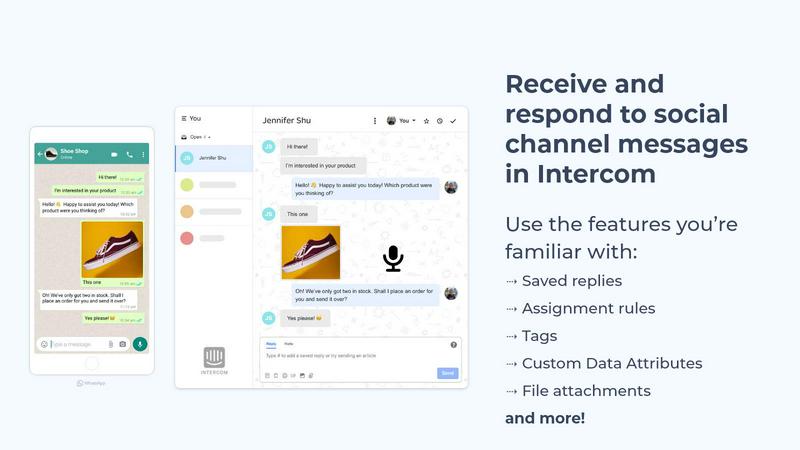
Octopods
Unlock seamless AI interactions with Octopods, your personalized unified messaging inbox for smarter content creation.
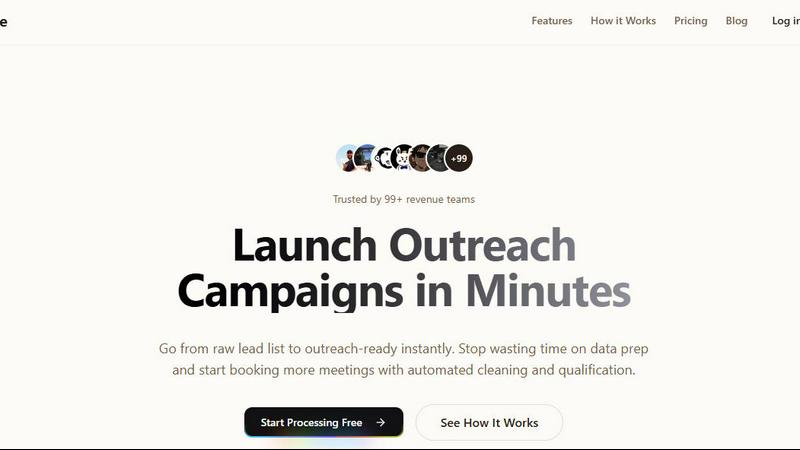
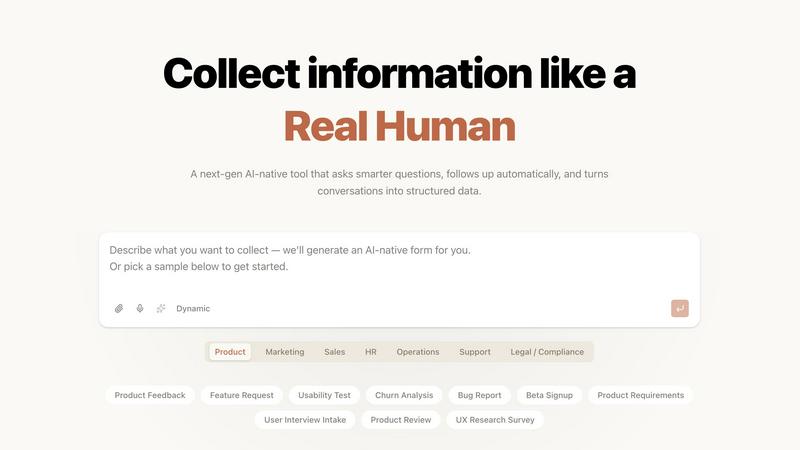
Dashform
Dashform is an AI-native quiz funnel that qualifies leads automatically, ensuring you only engage with the best.

Image to Image AI
Transform and stylize your images effortlessly with our powerful AI-driven Image to Image tool.
About qtrl.ai Alternatives
qtrl.ai is a modern QA test management and automation platform designed for product development teams. It combines structured test case management with an advanced AI layer that can generate, maintain, and execute tests autonomously, helping teams scale their quality assurance from manual processes to full automation. Teams often explore alternatives for various reasons, such as budget constraints, specific integration needs, or a desire for a different feature mix. Some may prioritize pure open-source tools, while others might seek a platform with a stronger focus on performance or security testing outside of qtrl.ai's core UI automation strengths. When evaluating other options, consider your team's automation maturity, the need for AI-assisted test creation, and how deeply you require requirements tracing and real-time dashboards. The ideal platform should grow with you, offering a clear path from manual test management to intelligent, autonomous QA execution.
FAQs about qtrl.ai Alternatives
What is qtrl.ai?
qtrl.ai is an enterprise-grade QA test management and automation platform that helps teams organize test cases, plan runs, trace requirements, and track quality through real-time dashboards.
Who is qtrl.ai for?
It's built for engineering leads and QA managers in product development teams, suitable for organizations at any stage of QA maturity looking to scale their testing.
What are the main features of qtrl.ai?
Key features include test case management, AI-powered autonomous agents for generating and maintaining UI tests, real-time reporting dashboards, and a progressive automation model.
Why choose qtrl.ai?
qtrl.ai stands apart with its built-in AI layer that automates test creation and maintenance, providing clear visibility into test coverage and risk while supporting a team's growth from manual to autonomous QA.